Dietary Supplement Manufacturing in the U.S.: Key Statistics

The US dietary supplement industry is regulated by the FDA under DSHEA, and manufacturers must follow cGMP, labeling and ingredient documentation rules. Capsules and tablets are the most common formats to manufacture and gummies are the fastest growing. Raw materials are typically 40 to 60% of manufacturing cost, and pricing moves with formula complexity, ingredient sourcing, certifications and order volume.
The dietary supplement industry in the United States has experienced significant growth over the past decade. As consumer demand for health, wellness, and preventative care continues to rise, manufacturers are expanding production capabilities, investing in innovation, and navigating an increasingly competitive landscape.
For brands looking to enter or scale within this space, understanding the current manufacturing landscape is critical. Below is a breakdown of key statistics and insights shaping the U.S. dietary supplement industry.
Industry Size & Market Growth
The U.S. dietary supplement market is one of the largest in the world.
This growth is driven by increased consumer awareness around:
- Immune health
- Sports nutrition
- Cognitive support
- General wellness and longevity
With more than 75% of U.S. adults reporting they take dietary supplements, this is a highly stable and recurring market.
Number of Manufacturers in the U.S.
The United States has a large and diverse manufacturing base.
- Estimated 2,000+ dietary supplement manufacturers
- Thousands of additional contract manufacturers and private label companies
- Majority are small to mid-sized operations, with a smaller group of large-scale facilities
States with the highest concentration of manufacturers include California, Florida, New York, Utah, and Arizona.
This wide distribution gives brands flexibility in sourcing but also makes it difficult to identify reliable, high-quality partners.
Manufacturing Capacity & Production Trends
Manufacturers in the U.S. produce a wide range of supplement formats: capsules and tablets (most common), powders, gummies (the fastest-growing segment), softgels, and liquids.
Key production insights
- Capsule manufacturing remains the most cost-efficient format
- Gummies have seen double-digit growth in recent years
- Typical MOQs: ~100,000–300,000 units for capsules/tablets, ~1,000,000+ pieces for gummies
- Lead times typically range from 6 to 16 weeks, depending on ingredient availability, packaging components, and production scheduling
Cost Breakdown of Manufacturing
Understanding cost structure is essential when requesting quotes. Typical manufacturing costs include:
- Raw materials (often 40–60% of total cost)
- Labor and production
- Packaging (bottles, labels, cartons)
- Testing & quality assurance
- Overhead and compliance costs
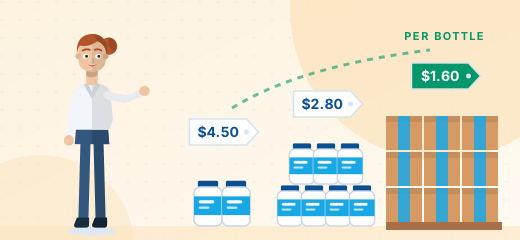
Pricing can vary significantly depending on formula complexity, ingredient sourcing (domestic vs. imported), certifications (GMP, NSF, Organic, etc.), and order volume.
Regulatory & Quality Standards
The U.S. dietary supplement industry is regulated by the Food and Drug Administration under the Dietary Supplement Health and Education Act (DSHEA). Manufacturers must comply with:
- cGMP (Current Good Manufacturing Practices)
- Proper labeling and claims regulations
- Ingredient safety and documentation requirements
Key Challenges in Supplement Manufacturing
Despite its growth, the industry faces several ongoing challenges:
- Supply chain volatility (especially for imported ingredients)
- Rising raw material costs
- Longer lead times
- Inconsistent quality between manufacturers
- Limited transparency in pricing
For brands, these challenges often result in delayed product launches, unexpected cost increases, and difficulty comparing quotes across manufacturers.
The Importance of Comparing Manufacturers
With thousands of manufacturers in the U.S., choosing the right partner can be one of the most difficult parts of building a supplement brand. Key factors to evaluate include:
- Pricing and cost structure
- Lead times
- Minimum order quantities
- Certifications and compliance
- Communication and responsiveness
This is where platforms like SupplementQuotes® streamline the process by connecting brands with verified manufacturers and allowing them to compare multiple quotes in one place.
Final Thoughts
The U.S. dietary supplement manufacturing industry continues to expand, offering significant opportunities for new and established brands alike. However, with growth comes complexity.
Understanding the statistics, costs, and challenges behind manufacturing is essential for making informed decisions and building a successful product. Whether you’re launching your first supplement or scaling an existing line, having access to multiple manufacturers — and transparent pricing — can make all the difference.
Submit your product once and receive competing quotes from verified supplement manufacturers, free for brands and NDA-protected.